Efficiency alone is no longer enough. The future of cleaning lies in solutions that balance performance with sustainability.
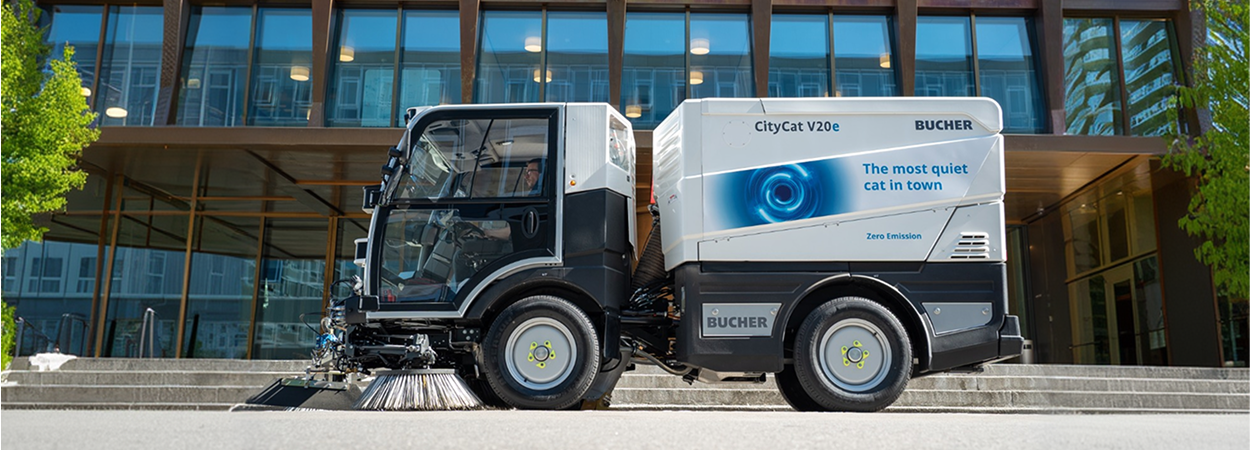
As environmental concerns continue to grow, the focus of cleaning operations is shifting from efficiency alone to sustainability. Organizations today are looking for solutions that deliver high performance while minimizing environmental impact.
Modern cleaning technologies are evolving to meet these expectations. From low-emission engines to energy-efficient systems, these machines are designed to reduce their environmental footprint without compromising on effectiveness.
In urban environments, street sweeping machines now incorporate dust suppression systems that reduce airborne pollution. In coastal areas, beach cleaners are designed to preserve sand integrity while removing waste. Similarly, waste management systems are becoming more efficient, reducing the need for excessive transportation and resource usage.
Sustainability also extends to long-term durability. Machines that are built to last require fewer replacements, reducing material consumption and overall environmental impact.
For municipalities and organizations, adopting sustainable cleaning technologies is not just about compliance — it is about future-proofing operations and contributing to broader environmental goals.
Sustainable cleaning is about achieving the right balance between performance and responsibility, ensuring cleaner environments for the long term.





.png)
.png)