With more than 7,500 km of coastline, India cannot keep its beaches clean with weekend drives alone.
.png)
Beaches need cleaning every day, not only during clean-up drives. Plastic makes up most beach litter in India, most of it comes from tourism and public littering, and it keeps arriving with every tide and every crowd. Volunteer drives build awareness; mechanised cleaning keeps the sand clean in between.
India's coastline supports tourism, fishing and some of the country's largest cities. It also absorbs plastic, sewage, industrial effluent and everyday litter.
The picture is mixed. The Central Marine Fisheries Research Institute (CMFRI) surveyed 254 beaches in 2013–14 and found 173 of them clean or very clean, but also identified heavily littered stretches in Karnataka, Goa, Gujarat and the Andamans. A later citizen-science study of beaches across India found that plastic, mostly single-use plastic, made up about two-thirds or more of the litter, and that tourism and public littering were the main sources.
Plastic that breaks into microplastics also enters the food chain. Research on the effects on human health is still developing, but the case for removing plastic before it fragments is already clear.
Drives matter. Mass events, such as the August 2022 clean-up in Visakhapatnam where more than 22,000 volunteers collected roughly 76 tonnes of waste, bring communities together and make the problem visible.
But litter returns daily. Tides, tourists, festivals and match days refill a beach within hours of a drive ending. Raking by hand cannot cover kilometres of sand every morning, and it cannot reach waste buried below the surface.
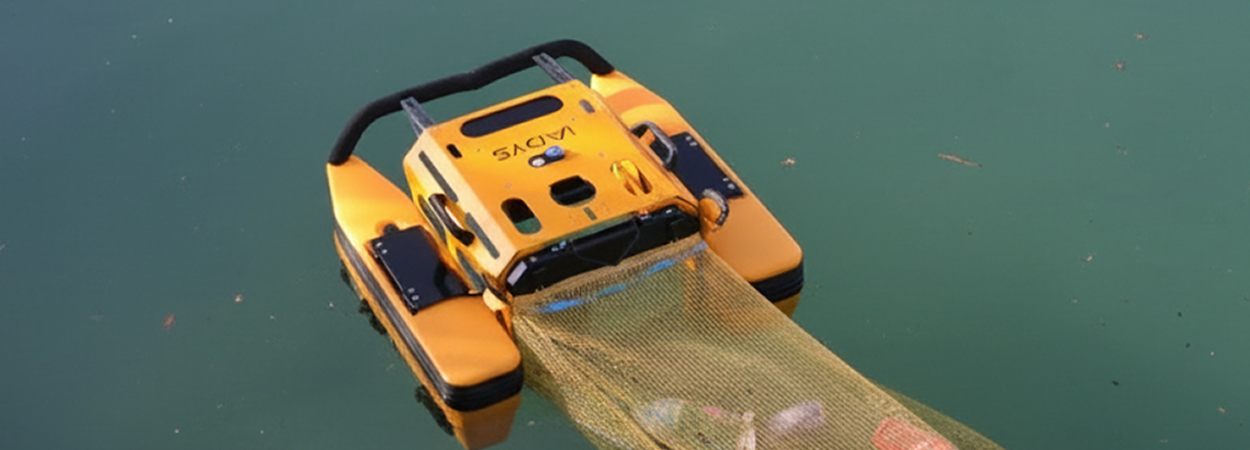
Beach-cleaning machines such as the BeachTech range are towed or self-propelled units that lift sand, screen it, and drop the cleaned sand back onto the beach. What is left in the screen, such as plastic bottles, glass, metal, cigarette butts and smaller fragments, goes into a hopper for disposal or recycling.
Mechanisation works best alongside people. Machines handle the long stretches of open sand. Crews handle rocky areas, edges and the segregation of recyclables. At Mahim Beach in Mumbai, for example, volunteers cleaned the rocky sections while a BeachTech 2000S cleaned the sand.
Pamtec's beach-cleaning machines operate in Mumbai, Visakhapatnam and other coastal cities. Read the field reports:
Why is there so much plastic on Indian beaches?
A national citizen-science study attributed roughly 60% of beach litter to tourism and public littering. Rivers and drains carrying waste to the sea add to it.
How often should a beach be cleaned?
High-footfall beaches benefit from daily cleaning. Beaches that host festivals, matches or other events need extra runs straight after the crowd leaves.
Do beach-cleaning machines damage the sand?
Machines built for beaches sift the sand and return it to the beach. The aim is to remove waste, not sand.
Can a machine clean rocky areas?
No. Rocky sections still need manual clean-up. At Mahim Beach, volunteers cleaned the rocky areas while the machine cleaned the sand.





.png)
.png)